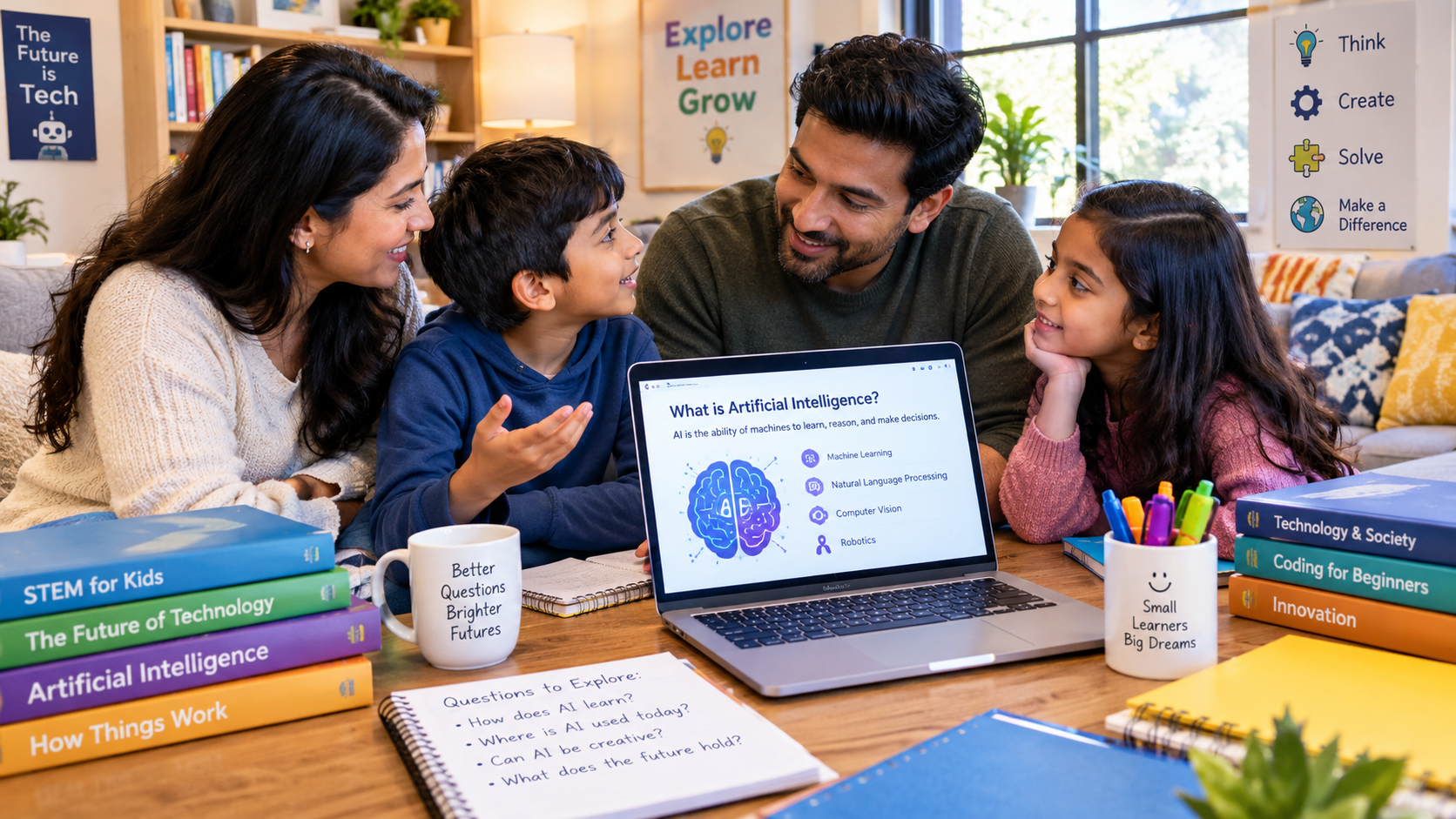
In recent years, artificial intelligence (AI) has become a buzzword in both technology and everyday conversations. From voice assistants like Siri to advanced algorithms that can drive cars, AI is transforming how we live, work, and learn. But as this technology continues to evolve at a breakneck pace, many parents are left wondering: Is AI a threat to humanity? In this article, we will explore the complexities of AI, its potential risks and benefits, and how we can prepare our children for a future where AI plays a significant role.
What is Artificial Intelligence?
Before diving into the potential threats of AI, it's essential to understand what it is. AI refers to the simulation of human intelligence in machines that are programmed to think and learn like humans. There are two primary types of AI:
- Narrow AI: Designed to perform specific tasks, such as voice recognition or playing chess. Most AI we encounter today falls under this category.
- General AI: This is still theoretical and refers to machines with the ability to perform any intellectual task a human can do, including reasoning and problem-solving.
The Potential Benefits of AI
While concerns about AI often dominate the conversation, it’s important to recognize the numerous advantages it offers:
- Improved Efficiency: AI can automate repetitive tasks, freeing up time for humans to focus on more creative and strategic endeavors.
- Enhanced Learning: In education, AI can provide personalized learning experiences, adapting to each child’s pace and learning style.
- Healthcare Innovations: AI is revolutionizing healthcare by improving diagnostics, predicting patient outcomes, and assisting in research.
- Environmental Solutions: AI can help tackle climate change by optimizing energy use, predicting weather patterns, and managing resources more efficiently.
By understanding these benefits, we can better appreciate the role AI may play in creating a brighter future for our children.
The Risks and Concerns Surrounding AI
Despite its advantages, there are legitimate concerns about AI that parents should be aware of:
- Job Displacement: As AI automates tasks, there is a fear that it may lead to job losses in various industries. Preparing children for jobs that require human creativity and emotional intelligence is crucial.
- Privacy Issues: With AI systems collecting vast amounts of data, there are concerns about privacy and how personal information is used.
- Ethical Dilemmas: AI can make decisions that impact lives, such as in self-driving cars or medical diagnoses, raising questions about accountability and ethics.
- Misinformation: AI can create convincing fake content, leading to challenges in discerning fact from fiction, which can impact public opinion and trust.
How to Prepare Our Children for an AI Future
As parents, we have a crucial role in preparing our children for a world where AI is ubiquitous. Here are some strategies to consider:
- Encourage Critical Thinking: Teach your children to ask questions, analyze information, and think critically about the technology they encounter.
- Foster Creativity: AI excels at tasks with clear rules but struggles with creative problem-solving. Encourage your children to explore arts, music, and innovative thinking.
- Promote STEM Education: Engaging your children in science, technology, engineering, and math (STEM) can help them understand AI better and even contribute to its development.
- Discuss Ethics: Have conversations about the ethical implications of AI and the importance of using technology responsibly.
- Stay Informed: Keep yourself updated on AI advancements and involve your children in discussions about how these changes could impact society.
Conclusion
The question of whether AI poses a threat to humanity is complex. While there are risks associated with its rapid development, there are also incredible opportunities for improving our world. By fostering critical thinking, creativity, and ethical discussions, we can empower our children to navigate this evolving landscape. As you explore these topics, consider looking into KidNCode’s programs that focus on coding and STEM education, which can equip your child with the skills they need for the future.
Together, let’s embrace the possibilities of AI while remaining vigilant about its challenges. The future is bright, and with the right tools and knowledge, our children can thrive in it!
About the author
KidNCode Team
Part of the KidNCode team sharing practical guidance for parents navigating coding and STEM education.
Join the conversation
Questions and perspectives from families like yours. All comments are reviewed before publishing.
Discussion
No comments yet. Your thoughtful note could start a helpful thread for other parents.